








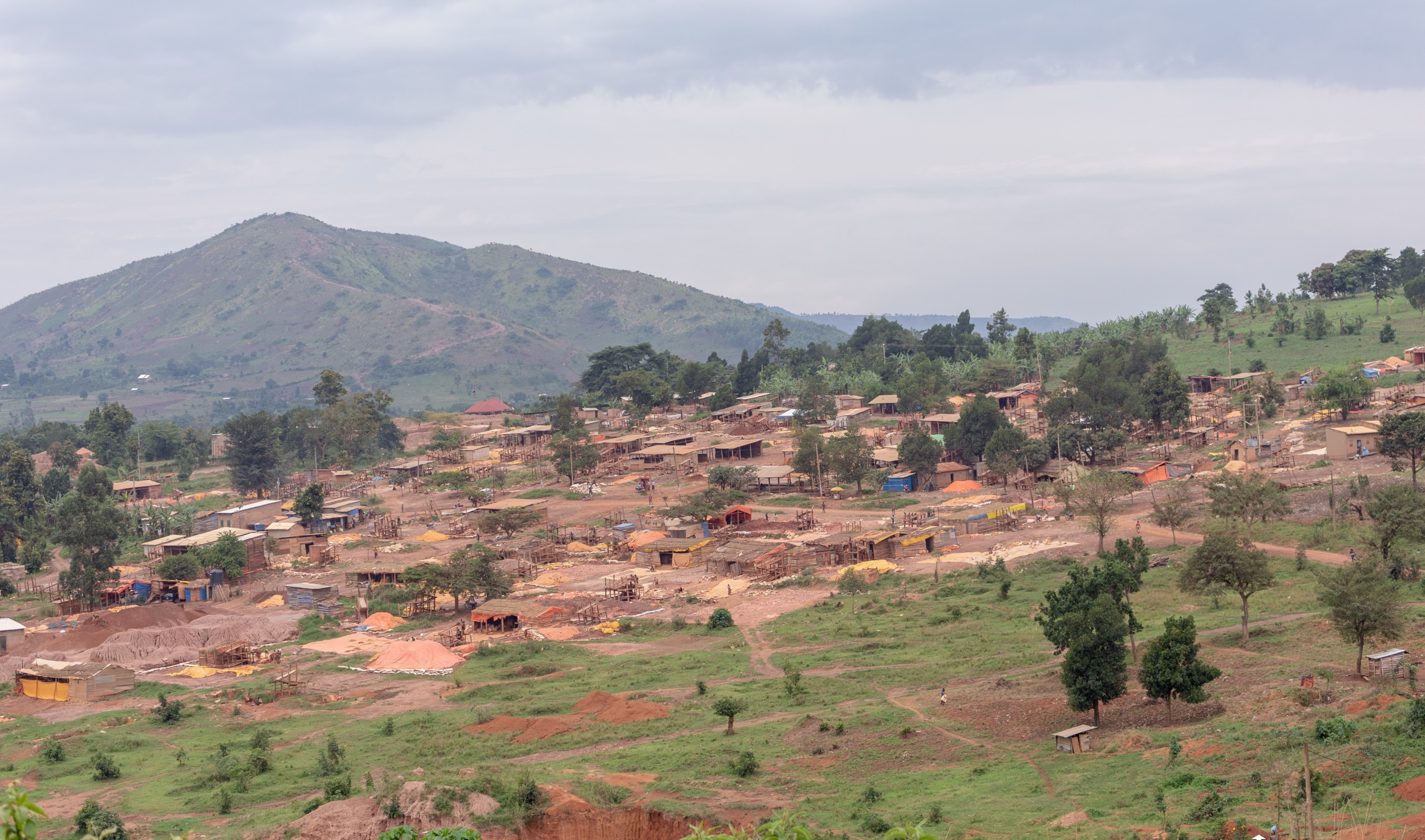
Understanding the Feasibility Study Journey
Mining projects typically progress through several study phases before mine development can begin. These stages are designed to reduce uncertainty and evaluate technical and economic viability.
1. Exploration & Resource Definition
Activities include:
Geological mapping
Drilling programs
Sampling and laboratory analysis
Resource estimation
Deliverables:
Geological database
Resource models
Exploration reports
2. Scoping Study
The initial assessment evaluates whether the project has sufficient potential to justify further investment.
Activities:
Preliminary mine planning
Conceptual processing options
Initial economic evaluation
Risk identification
3. Pre-Feasibility Study (PFS)
A more detailed technical and economic evaluation that narrows development options and identifies key project risks.
Activities:
Mining method selection
Processing route evaluation
Capital and operating cost estimates
Infrastructure planning
4. Definitive Feasibility Study (DFS)
The final and most detailed study used to support investment and financing decisions.
Activities:
Detailed engineering design
Financial modelling
Environmental compliance planning
Project implementation strategy
5. Project Development
Upon successful completion of the feasibility study:
Financing is secured
Permits are obtained
Mine construction begins
Operations commence
Gold Processing Study
Metallurgical Testing and Gold Recovery
Our feasibility study includes comprehensive metallurgical testing to determine the most efficient processing methods for Karamoja gold ores.
Key areas include:
Ore characterization
Gold recovery testing
Gravity separation analysis
Cyanidation studies
Processing plant design
Recovery optimization
Metallurgical studies play a critical role in determining achievable gold recoveries and processing costs